The aroma of toasted walnuts and warm cinnamon began to drift through the house long before the first batch of cookies ever left the oven. There is a specific, intoxicating scent that belongs solely to the preparation of Italian fig cookies, known traditionally as Cucidati. It is a fragrance that bridges generations, smelling of sun-dried fruit, citrus zest, and the buttery promise of a tender shortcrust pastry. In my kitchen, this scent is a time machine, pulling back the curtain on memories of crowded tables, espresso-stained tablecloths, and the quiet, rhythmic chopping of dried fruits on a heavy wooden board.
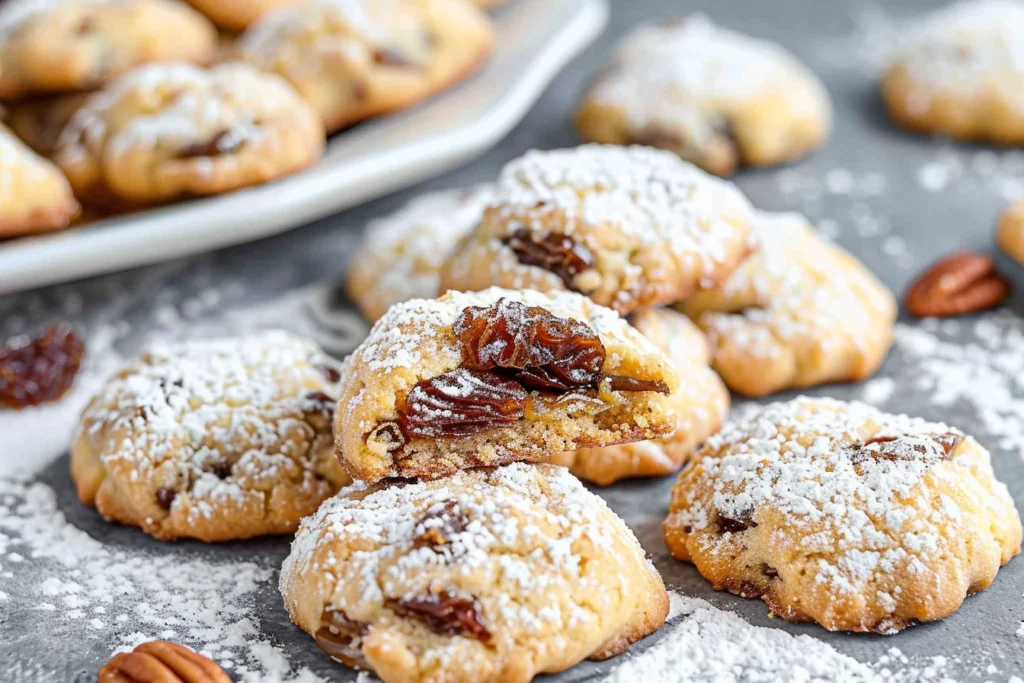
Taking that first bite is an experience in architectural flavor. Your teeth first meet the delicate, slightly crumbly exterior of the pale gold pastry, which yields instantly to a dense, jammy, and incredibly complex interior. The filling is a mosaic of textures: the tiny crunch of fig seeds, the buttery snap of toasted almonds, and the deep, honeyed sweetness of raisins. It is not merely a cookie; it is a confectionary labor of love that manages to be both rustic and sophisticated, grounding the palate in earthiness while elevating it with bright notes of orange and spice.
Historically, these cookies were the crown jewels of festive gatherings, often requiring an entire afternoon of communal effort. Families would gather, with one person rolling the dough, another spreading the filling, and the children tasked with the all-important job of adding the rainbow sprinkles. This recipe honors that heritage while refining the techniques for the modern home baker. Whether you are reconnecting with your Mediterranean roots or discovering this masterpiece for the first time, these cookies represent the pinnacle of artisanal baking—a perfect balance of pantry staples and high-quality dried fruits.
Why You Will Love This Recipe
The Perfect Balance of Texture and Taste
Many fruit-filled cookies suffer from being either too dry or overly cloying. This recipe solves that dilemma by carefully calibrating the ratio of moisture in the filling to the structural integrity of the dough. The addition of orange marmalade and honey ensures the fig center remains moist and chewy for days, while the cold-cubed butter in the dough creates a “melt-in-your-mouth” quality that rivals the finest shortbread. Every mouthful offers a sophisticated interplay between the bright citrus notes and the deep, musky undertones of the spiced figs.
A Make-Ahead Marvel for Busy Hosts
One of the greatest advantages of this particular recipe is its longevity. Unlike soft-batch chocolate chip cookies that can go stale within forty-eight hours, Italian fig cookies actually improve with age. As the cookies sit, the moisture from the fruit filling migrates slightly into the pastry, softening it into a cake-like consistency that is absolutely divine. This makes them the ultimate choice for holiday gifting or large events, as you can bake them several days in advance without any loss in quality—in fact, they are arguably better on day three.
Nutritional Density Meets Indulgent Flavor
While we treat these as a dessert, the ingredient list reads like a Mediterranean health guide. Packed with fiber from the dried figs and raisins, and rich in healthy fats from the walnuts and almonds, these cookies offer a more substantial and satisfying treat than those relying solely on sugar and flour. The complexity of the spices—cinnamon and cloves—provides an aromatic depth that allows us to use less sugar in the filling, letting the natural sweetness of the sun-ripened fruit take center stage.
What Makes This Recipe Special
The “standard” Italian fig cookie recipe often relies on a heavy, bread-like dough that can become tough if overmixed. This version utilizes a technique more akin to high-end pastry making. By cutting cold, cubed butter into the flour before adding the wet ingredients, we inhibit excessive gluten development. This results in a “tender-snap” crust—sturdy enough to hold the heavy fruit filling but delicate enough to crumble elegantly upon impact.
Furthermore, most recipes call for simply grinding the fruits together. Our method introduces a “flavor-layering” approach. We macerate the dried figs and raisins in orange juice and honey before pulsing them with toasted nuts. This ensures that the filling is not a monolithic paste, but a vibrant, textured compote where the individual flavors of the cloves and citrus can still be identified. This nuance is what elevates a simple home bake to a professional-grade pastry.
Ingredient Essentials and The Science of Flavor
The Foundation: The Dough
- All-Purpose Flour: This provides the necessary protein structure. For a gluten-free alternative, a high-quality 1:1 baking flour with xanthan gum works well, though you may need to chill the dough longer to prevent spreading.
- Unsalted Butter (Cold and Cubed): Using cold butter is non-negotiable. As the butter melts in the oven, it creates tiny pockets of steam, which leads to a lighter, more flaky pastry.
- Baking Powder and Salt: The baking powder provides just enough lift to prevent the dough from being leaden, while the salt acts as a flavor enhancer, cutting through the sweetness of the glaze.
The Heart: The Filling
- Dried Figs: These are the star of the show. Mission figs offer a deep, wine-like flavor (without the alcohol), while Calimyrna figs provide a nuttier, lighter taste. Ensure stems are removed completely to avoid woody bits in your cookies.
- Toasted Walnuts and Almonds: Toasting the nuts for 5-8 minutes before grinding them releases their essential oils, dramatically increasing the aromatic quality of the filling.
- Orange Marmalade and Juice: These provide the necessary acidity to balance the heavy sugar content of the dried fruits. If you prefer a less bitter profile, you can substitute the marmalade with apricot preserves and a teaspoon of fresh orange zest.
- Warm Spices: Cinnamon provides the woody base, while cloves offer a sharp, pungent counterpoint that defines the “authentic” Italian flavor profile.
Substitutions and Variations
For a vegan version, substitute the butter with a high-quality plant-based butter stick (keep it cold!) and use a flax-egg or commercial egg replacer. For the glaze, any nut milk or oat milk functions perfectly as a replacement for dairy milk. If you find figs too intense, you can replace half the fig volume with dried dates for a creamier, softer interior.
The Masterclass: Step-by-Step Narrative
Phase 1: Creating the Pastry Cradle
The journey begins with the dough. In a large bowl, whisk together your dry ingredients. When adding the cold butter, use a pastry cutter or your fingertips to work the fat into the flour until the mixture resembles coarse sand with a few pea-sized lumps remaining. In a separate jug, whisk the eggs, milk, and vanilla. Make a well in the center of the flour, pour in the liquids, and fold gently.
Visual Cue: The dough should come together but still look slightly shaggy. Avoid the temptation to overwork it; if you see streaks of flour, that is fine.
Common Pitfall: Using warm butter or over-kneading. If the dough feels greasy or elastic, the crust will be tough. Wrap it in plastic and chill for at least one hour to relax the gluten.
Phase 2: The Fruit Fusion
While the dough rests, prepare the filling. Pulse the figs, raisins, and toasted nuts in a food processor until they are coarsely chopped. Add the honey, marmalade, juice, and spices, then process until it forms a thick, malleable paste.
Visual Cue: The mixture should hold its shape when rolled into a ball but shouldn’t be so sticky that it won’t release from your hands.
Common Pitfall: Processing the filling into a pureed liquid. You want a bit of texture from the nuts and fig seeds to provide interest in every bite.
Phase 3: Assembly and Shaping
Divide your chilled dough into four equal parts. On a floured surface, roll one piece into a long rectangle, roughly 4 inches wide and 12 inches long. Place a generous “log” of the fig filling down the center of the strip. Fold one side of the dough over the filling, then the other, overlapping slightly to seal. Flip the log over so the seam is on the bottom.
Visual Cue: Use a sharp knife to cut the log diagonally into 1.5-inch pieces. You should see the beautiful fruit spiral or center clearly at the ends.
Common Pitfall: Rolling the dough too thin. The dough needs to be thick enough to support the weight of the fruit without tearing during the baking process.
Phase 4: The Final Transformation
Bake at 350°F (175°C) for 15-18 minutes. They should remain relatively pale with just a hint of gold on the edges. Once cooled completely, dip the tops into the simple sugar glaze and immediately shower them with sprinkles.
Creative Variations and Customizations
The Mediterranean Twist
Incorporate two tablespoons of finely chopped pistachios into the filling and replace the orange juice with a teaspoon of rose water. This version leans into the Levantine influences of Southern Italian baking, offering a floral aroma that pairs beautifully with the figs.
The Dark Chocolate Decadence
Add 1/2 cup of mini dark chocolate chips to the filling after processing. The bitterness of the chocolate cuts through the honey and fig sweetness, creating a more contemporary dessert profile. You can also swap the white glaze for a dark chocolate drizzle.
The Spicy Citrus Kick
For those who enjoy a bit of heat, add 1/4 teaspoon of ground white pepper and a tablespoon of minced candied ginger to the filling. The ginger provides a bright, sharp zing that resonates with the orange marmalade, making for a very “grown-up” cookie.
Serving and Pairing Suggestions
These cookies are traditionally served as part of a larger dessert spread, but they shine brightest when paired with a hot beverage. A dark roast coffee or a robust black tea provides the necessary bitterness to balance the sweet glaze. For a sophisticated non-alcoholic pairing, serve these alongside a chilled glass of sparkling cider or a “Verjuice Spritz”—verjuice topped with club soda and a sprig of fresh thyme.
When plating, use a tiered stand to showcase the vibrant colors of the sprinkles. They look stunning nestled next to fresh segments of clementine or a few whole dried figs to hint at the treasures hidden inside the pastry.
Storage, Reheating and “The Next Day” Magic
Storage is where these cookies truly excel. Place them in an airtight container with parchment paper between the layers. They will stay fresh at room temperature for up to two weeks. If you wish to freeze them, do so before glazing; they will last for three months. To thaw, simply leave them at room temperature and apply the glaze fresh.
The “Second Act” Tip: If you have a few cookies that have become a bit too firm after a week, crumble them over vanilla bean gelato or fold them into a bread pudding mixture. The concentrated fruit and spice flavors will infuse the custard beautifully.
Helpful Pro Tips from the Kitchen
The Chill Factor: If the dough becomes too soft while you are rolling it out, don’t fight it. Slide the entire tray into the fridge for 10 minutes. Cold dough is much easier to manipulate and maintains its shape better in the oven.
Maceration Secret: If your dried figs feel particularly hard or “leathery,” soak them in warm orange juice for 20 minutes before processing. This rehydrates the fruit, ensuring the filling is jammy rather than chewy.
The Glaze Consistency: Aim for a glaze that is the consistency of heavy cream. If it is too thin, it will run off the cookie and look translucent; if it is too thick, it will overwhelm the pastry. Add milk one teaspoon at a time until you reach that perfect opaque coating.
The Professional Recipe Card
Prep Time: 60 Minutes | Cook Time: 15-18 Minutes | Total Time: 1 Hour 18 Minutes (plus chilling)
Description: Authentic Italian Cucidati featuring a tender, buttery shortcrust pastry wrapped around a spiced, honey-sweetened fig and toasted nut filling, finished with a sweet citrus glaze.
Ingredients
For the Dough
- 4 cups all-purpose flour
- 1/2 cup granulated sugar
- 2 teaspoons baking powder
- 1/2 teaspoon salt
- 1 cup unsalted butter (cold and cubed)
- 3 large eggs
- 1/4 cup milk
- 1 teaspoon vanilla extract
For the Filling
- 2 cups dried figs (stems removed)
- 1/2 cup raisins
- 1/2 cup walnuts (toasted)
- 1/2 cup almonds (toasted)
- 1/4 cup honey
- 1/4 cup orange marmalade
- 1/4 cup orange juice
- 1 teaspoon ground cinnamon
- 1 teaspoon ground cloves
- 1 teaspoon vanilla extract
For the Glaze
- 2 cups powdered sugar
- 1/4 cup milk
- 1 teaspoon vanilla extract
- Colored sprinkles for decoration
Instructions
- Prepare the Dough: In a large mixing bowl, combine flour, sugar, baking powder, and salt. Add the cold cubed butter and use a pastry blender to incorporate until the mixture resembles coarse crumbs.
- Bind the Dough: In a small bowl, whisk together eggs, milk, and vanilla. Pour into the flour mixture and stir until a dough forms. Turn out onto a floured surface and knead briefly until smooth. Wrap in plastic and refrigerate for at least 1 hour.
- Make the Filling: Place dried figs, raisins, walnuts, and almonds in a food processor. Pulse until finely chopped. Add honey, marmalade, orange juice, cinnamon, cloves, and vanilla. Process until a thick paste forms.
- Preheat and Prep: Preheat your oven to 350°F (175°C). Line two large baking sheets with parchment paper.
- Roll and Fill: Divide the chilled dough into 4 portions. Roll one portion into a 4×12-inch rectangle. Spoon a quarter of the filling in a line down the center.
- Shape the Cookies: Fold the long sides of the dough over the filling to create a sealed log. Flip the log seam-side down and gently flatten.
- Cut: Use a sharp knife to cut the log into 1.5-inch diagonal slices. Place on the prepared baking sheets, spaced 1 inch apart.
- Bake: Bake for 15-18 minutes or until the bottoms are lightly browned and the tops are set but still pale. Transfer to a wire rack to cool completely.
- Glaze: Whisk together powdered sugar, milk, and vanilla until smooth. Dip the top of each cooled cookie into the glaze, return to the rack, and immediately top with sprinkles.
- Set: Allow the glaze to harden completely (about 30 minutes) before storing in an airtight container.