The kitchen is often defined by the scents that drift through it, but few are as universally comforting as the savory perfume of slow-simmered onions and earthy potatoes. As the Crock Pot does its low-and-slow magic, the sharp bite of the onions transforms into a deep, jammy sweetness that weaves through every layer of the tender potato rounds. By the time you lift the lid, the air is thick with the fragrance of dried thyme and garlic, signaling a meal that feels like a warm embrace. It is the kind of aroma that pulls family members into the kitchen, hovering around the counter with forks in hand, waiting for that first buttery bite.
I remember the first time I realized that the simplest ingredients often yield the most profound results. It was a rainy Sunday afternoon, and the goal was to create a side dish that required zero supervision so we could focus on a long-overdue family movie marathon. When we finally sat down to dinner, these potatoes weren’t just a side; they were the undisputed star of the plate. The way the edges of the potatoes soften into the onion-infused oil creates a texture that is simultaneously silky and substantial—a culinary memory that stays with you long after the dishes are cleared.
This recipe is more than just a convenient way to cook tubers; it is a lesson in the beauty of patience and the synergy of pantry staples. Whether you are serving this alongside a hearty roast or making it the base of a vegetarian feast, its cultural resonance lies in its simplicity. It evokes the rustic farmhouse kitchens of the past while fitting perfectly into the fast-paced schedule of a modern household. Every forkful offers a balance of savory depth and herbal brightness, proving that you don’t need exotic ingredients to create a world-class dining experience at home.
Why You Will Love This Dish
Unmatched Convenience for Busy Schedules
In a world where evening hours are often hijacked by chores and commitments, this recipe offers a rare “set it and forget it” solution. Because the slow cooker maintains a consistent, gentle heat, there is no risk of the potatoes scorching on the bottom of a pan or the onions burning before they soften. You can prep the ingredients in less than fifteen minutes in the morning and return home to a fully realized, gourmet-quality side dish. It eliminates the stress of timing your side dishes with your main course, as the Crock Pot can hold these potatoes at a perfect serving temperature for hours without compromising their structural integrity.
Layers of Flavor Complexity
While the ingredient list is intentionally minimal, the flavor profile is incredibly sophisticated. This is due to the long cooking process, which allows for a thorough infusion of the garlic and herbs into the starchy core of the potatoes. The onions act as a natural flavor enhancer, releasing sugars that caramelize slowly, creating a savory-sweet base that butter or oil alone could never achieve. Each bite delivers a concentrated burst of seasoning, ensuring that the dish never tastes bland or one-dimensional.
Versatility for Every Occasion
Whether you are hosting a formal holiday dinner, a casual backyard barbecue, or a simple weeknight meal, these potatoes fit the bill. They are naturally hearty enough to satisfy a crowd, yet refined enough to sit alongside an expensive cut of beef. Because the recipe is easily scalable, you can double the batch for a large potluck or keep it small for a quiet dinner for two. Furthermore, the flavor profile is neutral enough to pair with almost any protein, making it the ultimate “chameleon” side dish for your culinary repertoire.
What Makes This Recipe Special
The primary difference between this slow cooker method and standard oven-roasting or boiling lies in the moisture control and the breakdown of starches. When you roast potatoes in an oven, the high heat tends to dry out the exterior before the interior is fully infused with the surrounding aromatics. Boiling, on the other hand, often results in a loss of flavor to the cooking water. This Crock Pot method traps the natural steam released by the onions, creating a self-basting environment. The potatoes essentially poach in a combination of olive oil and onion juices, resulting in a melt-in-your-mouth texture that is impossible to replicate with dry heat.
Additionally, this recipe focuses on the structural arrangement of the ingredients. By layering the potatoes and onions rather than tossing them haphazardly, you create “flavor pockets.” This architectural approach ensures that every slice of potato is in direct contact with the seasoned oil and the softening onions. The result is a dish where the seasoning is integrated into the food rather than just sitting on top of it. It is a technical nuance that elevates a humble potato dish into a professional-grade culinary creation.
Ingredient Essentials and The Science of Flavor
The Foundation: Potatoes and Onions
For this recipe, the choice of potato is critical. We recommend using Yukon Gold or Red potatoes. These varieties are considered “waxy” or “all-purpose,” meaning they have a lower starch content and hold their shape better during long cooking cycles. If you were to use a Russet potato, the slices might disintegrate into a mash. The onions should be large and pungent; as they cook, their sulfur compounds break down into sweet molecules, providing the necessary contrast to the earthy potatoes.
The Fat: Olive Oil or Melted Butter
The fat serves two purposes: heat conduction and mouthfeel. Olive oil provides a fruity, peppery note that keeps the dish light and Mediterranean in style. Melted butter, conversely, offers a rich, dairy-heavy indulgence that leans toward classic American comfort food. For those seeking a dairy-free or vegan option, a high-quality avocado oil or vegan butter substitute works perfectly without altering the cooking time.
The Aromatics: Garlic and Herbs
Garlic powder is used here instead of fresh garlic because it distributes more evenly across the layers and is less likely to become bitter over an eight-hour cook time. The choice of thyme or rosemary is essential for adding a woody, floral top note. Rosemary is more aggressive and pairs beautifully with beef, while thyme is more delicate and works well with poultry or vegetarian mains.
The Moisture: Beef or Vegetable Broth
While the onions provide significant moisture, adding a half-cup of high-quality beef or vegetable broth (ensuring it is alcohol-free) creates a light sauce at the bottom of the pot. This prevents the bottom layer from drying out and adds another dimension of savory “umami” to the dish.
The Masterclass: Step-by-Step Narrative
Phase 1: Preparation and Layering
Begin by peeling your potatoes and slicing them into rounds approximately one-quarter inch thick. Consistency is key here; if the slices vary too much in thickness, you will end up with some pieces that are mushy and others that are still firm. Thinly slice your onions into translucent half-moons. In a small bowl, whisk together your oil or butter with the garlic powder, herbs, salt, and pepper.
Visual Cues: Look for the potatoes to be uniform in color. If you are using Yukon Golds, they should have a beautiful buttery hue even before cooking.
Common Pitfalls: Avoid slicing the potatoes too thin (like chips), as they will lose their identity and turn into a cohesive mass.
Phase 2: The Assembly
Lightly grease the interior of your slow cooker. Place a single layer of potato rounds at the bottom, followed by a scattered layer of onions. Drizzle a small amount of the seasoned oil over the layer. Repeat this process until all ingredients are used. This “lasagna-style” layering ensures that the seasoning is trapped between every piece of vegetable. If you are using broth, pour it gently around the edges of the pot so you don’t wash the spices off the top layer.
Visual Cues: The pot should look neatly organized. The oil should visibly coat most of the surfaces.
Common Pitfalls: Do not overfill the slow cooker. Leave at least two inches of space at the top to allow for proper steam circulation.
Phase 3: The Slow Simmer
Set the slow cooker to “Low” for 7 to 8 hours or “High” for 3 to 4 hours. During this time, resist the urge to lift the lid. Every time the lid is removed, enough heat escapes to add twenty minutes to the cooking time.
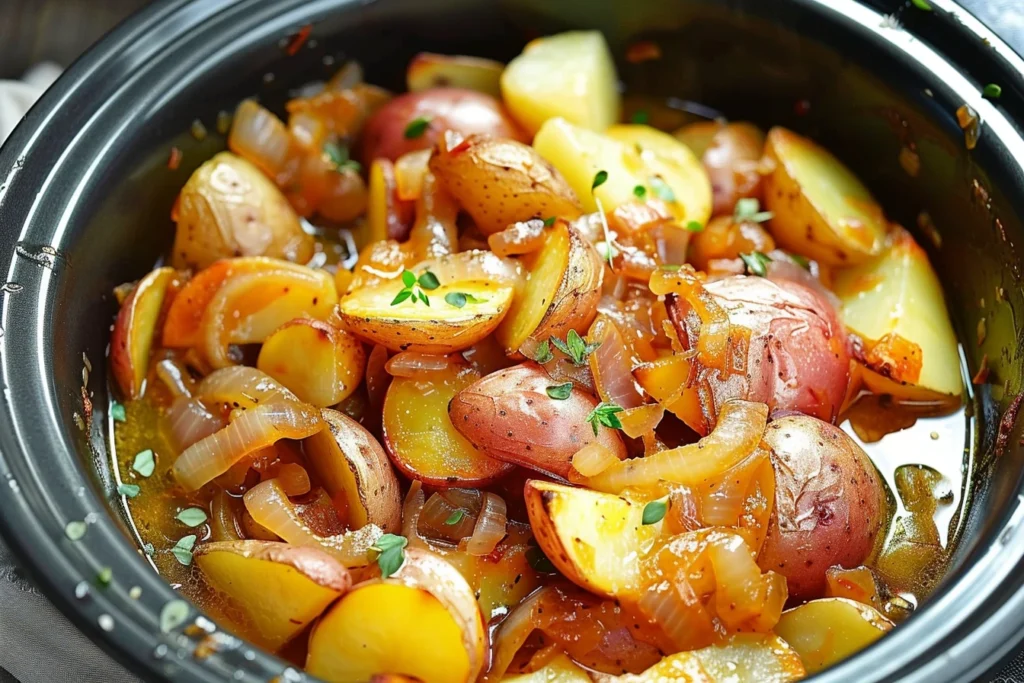
Visual Cues: Toward the end of the cycle, you will see the onions have turned a deep translucent gold, and the potatoes will appear slightly translucent at the edges.
Common Pitfalls: Cooking on “High” can sometimes cause the edges to brown too quickly. If you must use the high setting, check the potatoes at the 3-hour mark.
Creative Variations and Customizations
The Mediterranean Twist
To take this dish toward the coast of Italy or Greece, add half a cup of sliced Kalamata olives and a tablespoon of dried oregano to the layers. Instead of beef broth, use a splash of verjuice or a high-quality lemon juice mixed with water. This version is bright, acidic, and pairs exceptionally well with grilled lamb or roasted chicken.
The Smoky Beef Infusion
For those who love a deeper, more masculine flavor profile, incorporate small pieces of diced Turkey Bacon or thin strips of Beef between the layers. The fat from the Turkey Bacon will render down, infusing the potatoes with a smoky saltiness that is irresistible. You can also add a teaspoon of smoked paprika to the oil mixture to enhance the “fire-roasted” aroma.
The Spicy Kick
If you prefer heat, add a teaspoon of red chili flakes and replace the onions with a mix of onions and sliced jalapeños. This version transforms the dish into a bold accompaniment for tacos or spicy grilled meats. The starch in the potatoes helps to mellow the heat, making it spicy but balanced.
Serving and Pairing Suggestions
When it comes to plating, these potatoes look best when served in a shallow ceramic bowl that allows the layers to be visible. Garnish with a handful of fresh chopped parsley or chives right before serving to add a pop of color and a fresh, herbaceous finish.
For pairings, these potatoes are a natural companion to a slow-roasted beef brisket or a pan-seared chicken breast. If you are looking for a non-alcoholic drink pairing, consider a sparkling apple cider or a ginger-lime mocktail. The acidity in these drinks cuts through the richness of the butter and starch, refreshing the palate between bites. For a more sophisticated pairing, a pomegranate juice diluted with sparkling water offers a tartness that complements the caramelized onions beautifully.
Storage, Reheating, and “The Next Day” Magic
These potatoes store remarkably well in an airtight container in the refrigerator for up to four days. In fact, many believe the flavors improve after a night in the fridge as the potatoes continue to absorb the herb-infused oils.
To reheat, avoid the microwave if possible, as it can make the potatoes rubbery. Instead, place them in a skillet over medium heat with a teaspoon of oil. This will crisp up the edges of the potatoes while warming them through, giving them a texture similar to home fries.
The Next Day Magic: Leftover potatoes and onions make an incredible base for a morning hash. Simply sauté them in a pan with some diced Chicken Ham and top with a fried egg. The pre-softened potatoes will crisp up perfectly, providing a gourmet breakfast with minimal effort.
Helpful Pro Tips from the Kitchen
To prevent your potatoes from oxidizing (turning gray or brown) while you are prepping the onions, keep the sliced potatoes in a bowl of cold water. Just be sure to pat them completely dry with a kitchen towel before layering them in the Crock Pot, as excess water will dilute the seasonings.
If you find that your potatoes are finished but there is too much liquid in the bottom of the pot, simply remove the lid and turn the setting to “High” for the last 30 minutes of cooking. This allows the excess moisture to evaporate, concentrating the flavors and creating a thicker, glaze-like consistency around the vegetables.
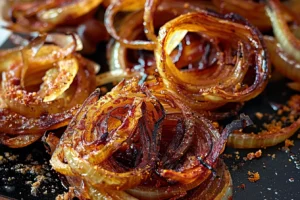
For an extra layer of flavor, try browning the onions in a skillet for 5 minutes before adding them to the slow cooker. While this adds an extra step, the initial Maillard reaction provides a jump-start on the caramelization process, resulting in a deeper, more savory end product.
The Professional Recipe Card
Prep Time: 15 Minutes | Cook Time: 7 Hours | Total Time: 7 Hours 15 Minutes
Description: A tender, slow-simmered side dish featuring thin-sliced potatoes and caramelized onions infused with garlic and aromatic herbs. Perfect for hands-off meal prep and elegant family dinners.
Ingredients
Vegetables
- 2 pounds Yukon Gold or Red potatoes, peeled and sliced into 1/4 inch rounds
- 2 large yellow onions, thinly sliced into half-moons
Seasoning Blend
- 1/4 cup olive oil or melted butter
- 1 teaspoon garlic powder
- 1 teaspoon dried thyme or rosemary
- 1 teaspoon kosher salt (plus more to taste)
- 1/2 teaspoon freshly cracked black pepper
Liquid Base
- 1/2 cup alcohol-free beef or vegetable broth (optional, for extra moisture)
Instructions
- Lightly grease the ceramic insert of a 6-quart slow cooker with oil or non-stick spray.
- In a small mixing bowl, combine the olive oil (or melted butter), garlic powder, dried herbs, salt, and pepper. Whisk until the spices are evenly distributed.
- Place a layer of sliced potatoes in the bottom of the slow cooker, followed by a layer of sliced onions.
- Drizzle a small amount of the seasoned oil mixture over the vegetables.
- Repeat the layering process (potatoes, onions, oil) until all ingredients are utilized, ending with a drizzle of oil on the top layer.
- If using broth, pour it carefully down the inside wall of the slow cooker so as not to disturb the seasonings on the potatoes.
- Cover and cook on Low for 7 to 8 hours or on High for 3 to 4 hours, until the potatoes are fork-tender and the onions are caramelized.
- Gently stir the potatoes before serving to ensure they are coated in the savory juices at the bottom of the pot.