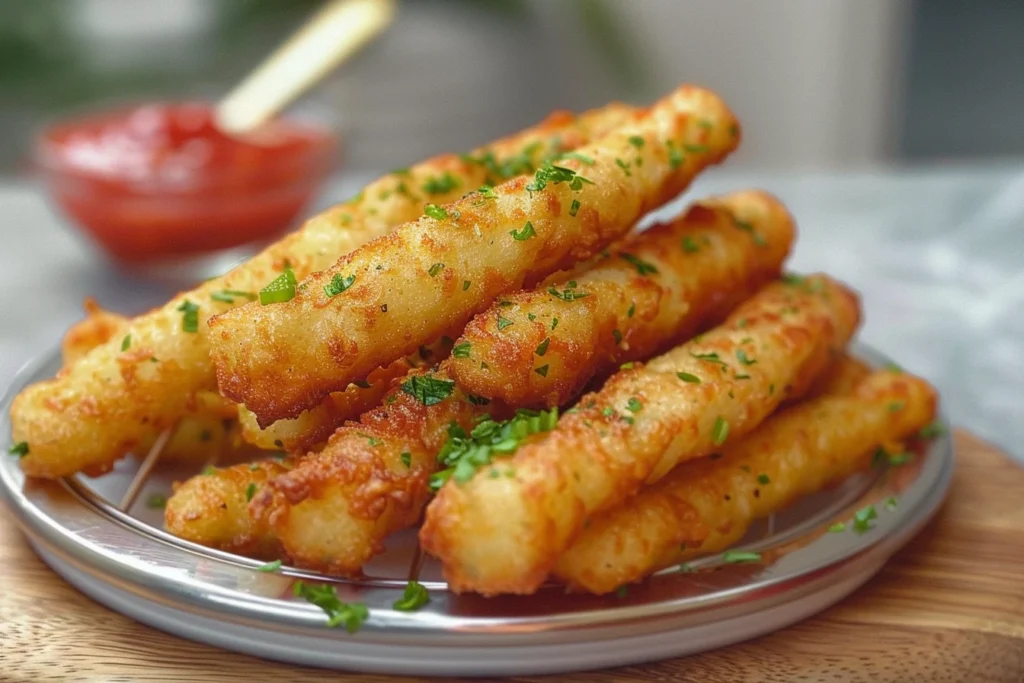
There is a universal comfort found in the humble potato, especially when it is transformed into a slender, golden-brown finger stick. Imagine walking into a kitchen where the air is thick with the scent of toasted starch and warming spices. The sound of that first bite—a definitive, audible crunch—gives way to a fluffy, cloud-like interior that melts on the tongue. It is the kind of dish that disappears from the cooling rack before it ever reaches the dinner table, a snack that bridges the gap between casual comfort and gourmet execution.
The secret to a truly memorable potato stick lies in the contrast. When done correctly, the exterior should have a rugged, micro-textured surface that holds onto every grain of salt and speck of paprika. My first successful batch of these came after many trials of soggy results; the breakthrough was realizing that a potato is not just a vegetable, but a complex structure of starch and water that must be managed with heat and timing. Since then, these have become a staple for game nights and family gatherings, serving as the perfect vessel for creativity and crunch.
Whether you are dipping these into a tangy ketchup or a herb-heavy ranch, the experience is nostalgic yet elevated. These aren’t just fries; they are carefully crafted “finger sticks,” designed with a specific length and thickness to ensure the maximum ratio of crispy surface area to soft center. They represent the peak of home-cooked snack engineering, proving that four simple potatoes can be turned into a centerpiece that everyone craves.
Why You Will Love This Dish
The Perfection of Texture
By cutting the potatoes into uniform “finger” shapes rather than thick wedges or thin shoestrings, you achieve a specific structural integrity. These sticks are sturdy enough to stand up to heavy dipping sauces without breaking, yet light enough to remain airy. The addition of garlic powder and paprika creates a savory “crust” that enhances the potato’s natural earthiness without overpowering it.
Versatile Cooking Methods
One of the greatest strengths of this recipe is its adaptability. You can achieve a deep-fried, decadent crunch by using the traditional oil method, or you can opt for a lighter, oven-baked version that relies on high-convection heat to crisp the skin. Both methods yield fantastic results, making this dish suitable for those looking for a weekend indulgence or a healthier weeknight side.
A Canvas for Customization
While the base recipe is seasoned for broad appeal, these potato sticks are incredibly welcoming to variations. You can easily pivot the flavor profile to match your main course, whether it’s a spicy heat, a Mediterranean herb blend, or a smoky BBQ finish. It is a reliable, crowd-pleasing foundation that rewards even the smallest kitchen experiments.
What Makes This Recipe Special
The “standard” approach to homemade fries often misses the mark because of one simple oversight: surface moisture. Most recipes suggest cutting and cooking immediately, which leads to steaming. This masterclass emphasizes the “rinse and dry” technique, which removes excess surface starch and prevents the potatoes from sticking together or turning gummy.
Furthermore, we utilize a specific seasoning timing. By tossing the potatoes in the spice blend along with the oil (for baking) or immediately after frying, we ensure the flavors are bonded to the potato. This recipe also delves into the science of the “Double-Fry” or “High-Heat Bake,” explaining how to achieve that elusive shatter-crisp exterior that stays crunchy even as the potato cools down.
Ingredient Essentials and The Science of Flavor
The Potato: Choosing the Right Starch
For the best finger sticks, a high-starch potato like a Russet is the gold standard. High starch content translates to a drier interior, which allows the outside to crisp up quickly while the inside remains fluffy.
- Substitution: Yukon Gold potatoes can be used for a creamier, more “buttery” interior, though they will be slightly less crispy on the outside.
- Pantry Note: Ensure your potatoes are firm and free of green spots, which can indicate bitterness.
The Spice Blend: Paprika and Garlic
Paprika provides more than just flavor; the natural sugars in the pepper help with the browning process (caramelization), giving the sticks a vibrant, deep orange-gold hue. Garlic powder offers a concentrated, savory “umami” hit that fresh garlic cannot achieve in a high-heat fry without burning.
- Variation: Smoked paprika can be used to add a “wood-fired” depth to the flavor profile.
- Compliance Note: All seasonings used here are purely plant and mineral-based, ensuring a clean, savory profile.
The Fat: Olive Oil or Frying Oil
If baking, olive oil provides a fruity, rich coating that helps the spices adhere. For frying, an oil with a high smoke point (like peanut or vegetable oil) is essential to prevent the oil from breaking down and leaving a bitter taste on the potatoes.
The Masterclass: Step-by-Step Narrative
Phase 1: Precision Cutting and Starch Removal
Start by peeling your potatoes and cutting them into sticks that are roughly 1/2 inch thick and 3 to 4 inches long. Once cut, immediately submerge them in a bowl of ice-cold water.
- The Visual Cue: You will see the water turn cloudy; this is the excess starch being released.
- The Pitfall: Do not skip the drying phase. After soaking for 15 minutes, lay the sticks on a clean kitchen towel and pat them until they are bone-dry. Any residual water will turn to steam in the heat, ruining the crunch.
Phase 2: Seasoning and Coating
In a large bowl, whisk together the olive oil (if baking), paprika, garlic powder, salt, and pepper. Add the dry potato sticks and toss vigorously.
- The Visual Cue: Every stick should be evenly coated in a thin, translucent orange film. There should be no dry spots of potato showing.
Phase 3: The Heat Application (Baking or Frying)
If Baking: Arrange the sticks on a parchment-lined baking sheet. They must not touch. Bake at 425°F (220°C) for 25–30 minutes, flipping halfway through. If Frying: Heat your oil to 350°F. Fry in small batches to maintain the oil temperature.
- The Visual Cue: Look for the edges to turn a dark golden brown and the centers to puff slightly.
Phase 4: The Finishing Touch
Immediately upon removing the potatoes from the heat, give them one final light dusting of salt. This is the moment the potato is most receptive to seasoning. Let them sit on a wire rack for 2 minutes—this allows air to circulate around the entire stick, preventing the bottom from becoming soggy.
Creative Variations and Customizations
The Spicy Kick
Add 1/4 teaspoon of cayenne pepper to the spice blend and serve with a dipping sauce made of mayo (or a vegan substitute) mixed with Sriracha and a drop of honey. This version provides a slow heat that builds with every bite.
The Herb Garden
Omit the paprika and replace it with 1 teaspoon of dried Italian herbs (oregano, basil, and thyme). After cooking, toss the hot potato sticks with freshly grated lemon zest and a shower of chopped fresh parsley for a bright, Mediterranean feel.
The “Truffle” Luxury
For a high-end experience, toss the finished, hot potato sticks with a drizzle of truffle-infused oil and a dusting of finely grated vegan parmesan or nutritional yeast. This creates a deep, earthy aroma that is incredibly sophisticated.
Serving and Pairing Suggestions
These finger sticks are the ultimate companion to a gourmet beef burger or a hearty club sandwich. For a unique presentation, serve them in a parchment-paper cone tucked into a wire basket.
To pair with a non-alcoholic beverage, try a “Cucumber-Lime Coolers.” The crisp, hydrating quality of the cucumber and the sharp acidity of the lime act as a palate cleanser between the salty, savory potato bites. Alternatively, a cold, sparkling apple cider provides a sweet and tart contrast that complements the earthy paprika.
Storage, Reheating, and “The Next Day” Magic
Potato sticks are best enjoyed fresh, but if you have leftovers, keep them in a paper-lined container in the fridge. Reheating: Never use a microwave. Instead, spread them on a baking sheet and pop them into a 400°F oven for 5–7 minutes. This will reactivate the oils and restore the crunch.
The Next Day Magic: Chop leftover sticks into small cubes and use them as the base for a “Potato and Pepper Breakfast Skillet.” Sauté them with bell peppers and onions until crispy again, then fold in some scrambled eggs for a fast, flavorful breakfast.
Helpful Pro Tips from the Kitchen
- The Wire Rack Secret: Always cool fried or baked potatoes on a wire rack rather than directly on paper towels. Paper towels can trap steam under the potato, softening the crust you worked so hard to build.
- Uniformity Matters: If some sticks are much thinner than others, they will burn before the thick ones are cooked. Take your time with the knife work.
- High Heat is Key: Don’t be afraid of the high temperature. Potatoes need that initial “shock” of heat to sear the exterior and trap the moisture inside.
Crispy Potato Finger Sticks
- Prep Time: 20 minutes
- Cook Time: 25 minutes
- Total Time: 45 minutes
Description: These Crispy Potato Finger Sticks are seasoned with a savory blend of garlic and paprika, offering a shatteringly crisp exterior and a light, fluffy interior. A perfect snack or side dish that rivals any restaurant fry.
Ingredients
The Potatoes
- 4 large Russet potatoes, peeled and cut into 1/2-inch sticks
- Cold water for soaking
The Coating & Seasoning
- 2 tablespoons olive oil (for baking) or frying oil
- 1 teaspoon paprika
- 1/2 teaspoon garlic powder
- Salt and pepper to taste
Optional for Serving
- Ketchup
- Ranch dressing
- Fresh chopped parsley
Instructions
- Peel the potatoes and cut them into uniform sticks about 1/2 inch thick and 3–4 inches long.
- Place the potato sticks in a large bowl of cold water and soak for at least 15–20 minutes to remove excess starch.
- Drain the potatoes and pat them extremely dry with a clean kitchen towel. Any moisture will prevent crisping.
- In a dry bowl, toss the potato sticks with olive oil (if baking), paprika, garlic powder, salt, and pepper until every stick is evenly coated.
- To Bake: Preheat oven to 425°F (220°C). Spread the sticks in a single layer on a parchment-lined baking sheet, ensuring they do not touch. Bake for 25–30 minutes, flipping halfway through, until golden and crispy.
- To Fry: Heat 2 inches of oil in a heavy pot to 350°F. Fry the sticks in batches for 5–6 minutes until they reach a deep golden brown.
- Remove the potatoes and place them immediately on a wire cooling rack.
- Taste and add an extra pinch of salt if desired while they are still hot.
- Serve immediately with your favorite dipping sauces.