The memory of my grandmother’s kitchen in late summer is indelibly linked to the sharp, invigorating scent of warming vinegar and the deep, earthy aroma of freshly harvested beets. There was a specific ritual to the process, a quiet alchemy that transformed humble, mud-covered roots into gleaming, ruby-red jewels stored in glass jars. I remember the first time I was allowed to help, my fingers stained a proud, stubborn pink as we tucked thin slices of onion between the layers of beets. That first bite was always a revelation: a crisp, cold snap followed by a perfect balance of sugary warmth and acetic tang that seemed to wake up every taste bud at once.
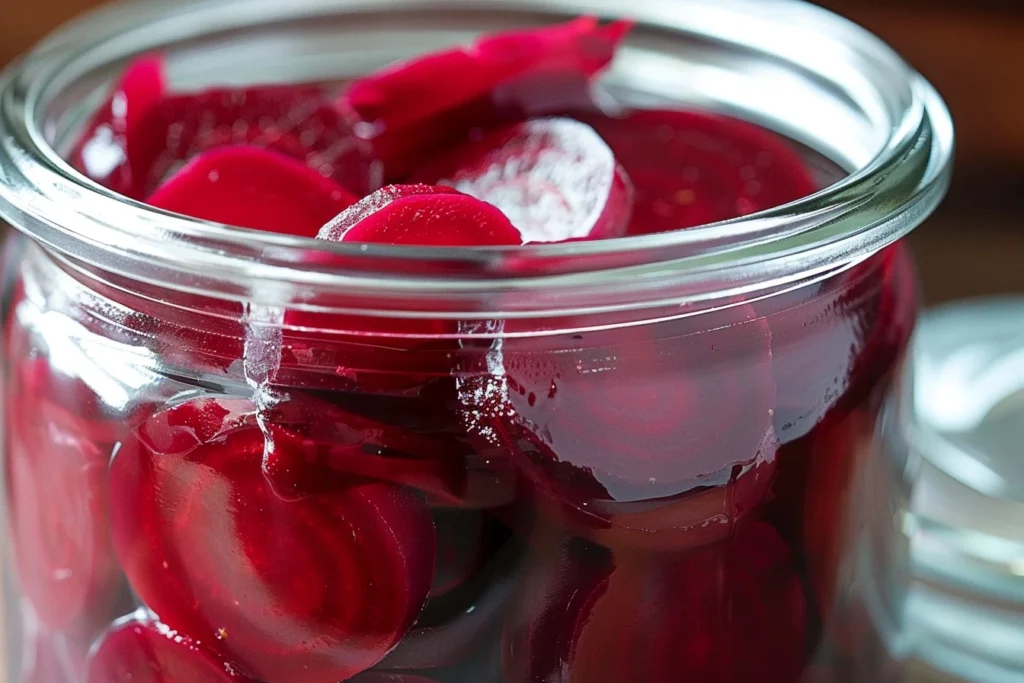
Creating the perfect pickled beet is about more than just preservation; it is about capturing a specific profile of flavor that bridges the gap between a side dish and a gourmet condiment. When you open a jar of these refrigerator pickled beets, the visual impact alone is stunning—the brine becomes a deep, translucent violet that glows against the light. Whether you are serving them alongside a hearty roast or layering them into a sophisticated salad, they provide a bright acidity that cuts through richness and adds a layer of complexity to the simplest of meals.
In this guide, we are moving beyond the standard, overly sweet canned versions found on grocery shelves. We are focusing on a refined balance of spices and a crunch that can only be achieved through the refrigerator pickling method. By bypassing the high-heat processing of traditional canning, we maintain the structural integrity of the beet and the vibrancy of the spices. This is a recipe designed for the modern kitchen—efficient, sophisticated, and deeply rooted in the culinary tradition of bringing out the best in seasonal produce.
Why You Will Love This Dish
Unmatched Flavor Complexity and Balance
Unlike many store-bought varieties that rely heavily on corn syrup and generic white vinegar, this recipe utilizes the fruity undertones of apple cider vinegar and a curated blend of whole spices. The addition of cloves and peppercorns introduces a subtle warmth that complements the natural earthiness of the beets without overpowering them. The result is a multidimensional flavor profile that evolves on the palate, starting sweet and finishing with a clean, spicy tang.
Superior Texture and Refreshing Crunch
One of the primary complaints about preserved beets is a mushy, unappealing texture. By using the refrigerator method, we avoid the extended boiling times required for shelf-stable canning. This allows the beets to marinate in the brine while retaining a satisfying “bite.” This texture makes them an excellent addition to sandwiches or charcuterie boards where a structural element is just as important as the flavor itself.
Minimal Effort with Maximum Culinary Reward
This recipe is the epitome of high-reward cooking. The actual hands-on time is remarkably low, yet the finished product tastes like something from a high-end artisanal deli. Because these are “quick pickles,” there is no need for specialized canning equipment, water baths, or worrying about airtight seals for long-term room temperature storage. You simply prep, pour, and let the refrigerator do the heavy lifting over the next twenty-four hours.
What Makes This Recipe Special
The secret to this specific method lies in the precision of the brine-to-vegetable ratio and the temperature at which the liquid meets the produce. Many standard recipes suggest pouring boiling brine over raw beets, which often results in an uneven cook—soft on the outside and unpleasantly hard in the center. Our method calls for pre-cooking the beets until they are just tender, then introducing the warm brine to facilitate deep penetration of flavor into the core of each slice.
Furthermore, we prioritize the use of whole spices over ground alternatives. Ground spices can make a brine cloudy and leave a gritty residue on the vegetables. By using whole peppercorns, cloves, and bay leaves, we ensure a crystal-clear liquid and a slow, controlled infusion of aromatics. This technical choice ensures that every slice of beet is clean, beautiful, and infused with the essence of the spices rather than being coated in them.
Ingredient Essentials and The Science of Flavor
The Foundation: Fresh Beets
The quality of your beets dictates the success of the dish. Look for firm, heavy-for-their-size globes with smooth skins. While red beets are the classic choice, you can use golden beets for a milder, honey-like flavor. The natural sugars in beets (betalains) are what give them their color and earthy sweetness. Pre-cooking them properly is essential; roasting them in foil before peeling intensifies their natural sugars more effectively than boiling.
The Acid: Apple Cider Vinegar
We use apple cider vinegar because it contains “the mother” and a natural malic acid that is softer than the harsh acetic acid of distilled white vinegar. This provides a fruity depth that pairs perfectly with the sugar. If you prefer a sharper profile, you can use a 50/50 mix of apple cider and white vinegar.
The Aromatics: Peppercorns, Cloves, and Bay Leaves
- Whole Peppercorns: Provide a woody heat that cuts through the sugar.
- Whole Cloves: These are the “secret” ingredient. They add a floral, slightly medicinal warmth that is characteristic of traditional deli-style pickles.
- Bay Leaves: These add a subtle herbal backbone that rounds out the sharper notes of the vinegar.
Clever Substitutions and Notes
- Sugar Alternatives: You can substitute the granulated sugar with honey or maple syrup for a more complex sweetness, though this will slightly darken the brine. For a keto-friendly version, use a monk fruit sweetener that measures 1:1 with sugar.
- Vinegar Swaps: If you lack apple cider vinegar, rice vinegar is an excellent alternative for a milder, Asian-inspired twist. Avoid balsamic vinegar as it is too syrupy and will muddy the flavor.
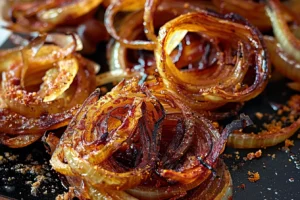
- The Onion: While optional, a thinly sliced red or white onion is highly recommended. The onions pickle alongside the beets, becoming bright pink and deliciously tangy, serving as a bonus condiment.
The Masterclass: Step-by-Step Narrative
Phase 1: Preparing the Beets
Start with your pre-cooked beets. If you are roasting them, wrap them in foil and bake at 400 degrees Fahrenheit until a knife slides easily to the center. Once cooled, the skins should slip right off under cold running water. Slice them into uniform rounds about 1/4 inch thick. Consistency is key here; uniform slices ensure that every piece absorbs the brine at the same rate. If you prefer, you can also cut them into wedges for a heartier texture.
Phase 2: Building the Brine
In a non-reactive saucepan (stainless steel or glass), combine the apple cider vinegar, water, sugar, and salt. It is vital to use a non-reactive pan because the high acidity of the vinegar can leach metallic flavors from aluminum or unlined copper. Heat the mixture over medium heat, stirring constantly until the sugar and salt are completely dissolved. Once it reaches a gentle simmer, add your peppercorns, cloves, and bay leaves. Let it simmer for 2 to 3 minutes to “bloom” the spices, releasing their essential oils into the liquid.
Phase 3: The Assembly and Infusion
Pack your sliced beets and onions (if using) into clean glass jars. Do not pack them so tightly that the liquid cannot circulate; leave about half an inch of headspace at the top. Pour the warm brine over the beets, ensuring they are completely submerged. If any beets are poking above the liquid, they will not pickle properly and may discolor. Use a clean butter knife or a small spatula to run along the inside of the jar to release any trapped air bubbles.
Phase 4: The Cooling and Curing
Allow the jars to sit on the counter until they reach room temperature. Placing hot jars directly into a cold refrigerator can cause the glass to crack and slows down the initial infusion process. Once cool, seal the lids tightly and refrigerate. While you can eat them after a few hours, the true “magic” happens after 24 to 48 hours, when the brine has fully permeated the fibers of the beets.
Creative Variations and Customizations
The Spicy Kick
For those who enjoy a bit of heat, add half a teaspoon of red chili flakes or a few slices of fresh jalapeño to the jar before pouring in the brine. The spice will mellow slightly against the sugar but provide a lingering warmth on the finish.
The Mediterranean Twist
Replace the cloves with a few sprigs of fresh thyme and a clove of smashed garlic. This version is less “sweet-spiced” and more savory, making it an incredible companion to feta cheese, olives, and toasted pita bread.
The Citrus Infusion
Add a few wide strips of orange zest (avoiding the white pith) to the simmering brine. The citrus oils brighten the earthy tones of the beets and make them feel exceptionally light and summery. This variation is particularly good when using golden beets.
Serving and Pairing Suggestions
Pickled beets are incredibly versatile. For a classic presentation, serve them atop a bed of arugula with crumbled goat cheese and toasted walnuts; the acidity of the beets acts as a built-in dressing. They also pair beautifully with smoked fish, such as mackerel or salmon, where the vinegar cuts through the oily richness of the meat.
For a non-alcoholic drink pairing, consider a Cucumber and Mint Mocktail. The coolness of the cucumber provides a refreshing counterpoint to the spiced tang of the beets. Alternatively, a tart cherry juice diluted with sparkling water mimics the deep color of the beets and complements their sweetness. When plating, drizzle a little of the beet brine over the dish for a vibrant pop of color and an extra hit of flavor.
Storage, Reheating and “The Next Day” Magic
Storage
These beets must be kept refrigerated at all times. They will remain at peak quality for up to 3 weeks. Always use a clean fork to remove beets from the jar to avoid introducing bacteria that could spoil the brine.
Reheating
While typically served cold, these can be gently warmed to accompany a hot meal. Simply heat them in a small saucepan with a splash of their own brine over low heat. Do not boil them, as this will destroy the crisp texture.
The Next Day Magic
The leftover brine is liquid gold. Once the beets are gone, do not throw it away! Use it to pickle hard-boiled eggs (which will turn a stunning purple), or whisk it with olive oil and Dijon mustard to create a vibrant, ready-made salad dressing. You can even use a splash of it in a “dirty” mocktail for an earthy, savory twist.
Helpful Pro Tips from the Kitchen
Don’t Toss the Greens: If you bought beets with the leaves attached, sauté them with a little garlic and olive oil. They taste similar to Swiss chard and make a great side dish for the pickled roots.
Wear Gloves: If you want to avoid the “pink finger” look for two days, wear thin food-grade gloves while peeling and slicing the beets. Beet juice is a powerful natural dye.
Salt Matters: Use sea salt or pickling salt if possible. Table salt contains anti-caking agents that can make your brine look cloudy.
The Vinegar Ratio: Never dilute the vinegar more than the 1:1 ratio with water. The acidity is what keeps the beets safe and gives them that signature “zing.”
The Professional Recipe Card
Prep Time: 15 Minutes | Cook Time: 45 Minutes (for beets) | Total Time: 1 Hour (plus 24 hours chilling)
Description
A sophisticated, gourmet take on a classic preserve. These refrigerator pickled beets offer a perfect balance of sweet, tangy, and earthy flavors with a crisp texture that outperforms any canned alternative. Perfect for salads, sandwiches, or as a vibrant side dish.
Ingredients
The Produce
- 1 pound cooked and sliced beets (roasted or boiled until tender)
- 1 small onion, thinly sliced (optional)
The Brine
- 1 cup apple cider vinegar
- 1 cup water
- 1/2 cup sugar
- 1 teaspoon salt
The Aromatics
- 1/2 teaspoon whole peppercorns
- 1/2 teaspoon whole cloves (optional)
- 1-2 bay leaves
Instructions
- Prepare your glass jars by washing them thoroughly with hot, soapy water and drying them completely.
- If using onions, layer the sliced beets and onions alternately into the jars, leaving about half an inch of space at the top.
- In a medium stainless steel saucepan, combine the apple cider vinegar, water, sugar, and salt.
- Place the pan over medium heat and stir until the sugar and salt have fully dissolved.
- Add the peppercorns, cloves, and bay leaves to the liquid. Bring to a gentle simmer for 3 minutes to infuse the spices.
- Carefully pour the hot brine over the beets in the jars, ensuring all vegetables are fully submerged.
- Gently tap the jars on the counter or use a thin utensil to remove any trapped air bubbles.
- Allow the jars to sit at room temperature until cool to the touch.
- Secure the lids tightly and place the jars in the refrigerator.
- Let the beets cure for at least 24 hours before serving to allow the flavors to fully develop.